
Malta
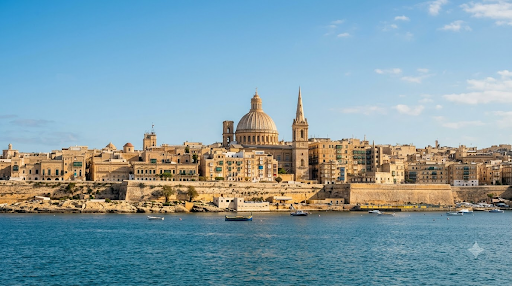
About the destination
Key facts
Country code
Currency
Region
Verification status
Education system
Malta operates within the European Higher Education Area (EHEA) and uses the European Credit Transfer and Accumulation System (ECTS). Qualifications are structured according to the Malta Qualifications Framework (MQF). Course instruction is primarily offered in English across state-funded higher education institutions (such as the University of Malta and MCAST) as well as licensed private institutions
Visa information
Non-EU/EEA nationals planning to pursue full-time tertiary education programs in Malta lasting longer than 90 days must apply for a National Long-Stay Visa (Type D) through a Maltese diplomatic mission or an authorized External Service Provider (VFS Global) prior to entry [cite: 1]. Upon arrival in Malta, non-EU students enrolled in degree programs must apply for an e-Residence permit (Study Residence Permit) via Identità (Central Visa Unit / Expatriates Unit) to legally reside for the full duration of their study program .
Mandatory Visa Disclaimer: Visa rules, entry requirements, fees, required financial proof thresholds, and residence procedures change over time. Always consult the official Maltese government immigration portals (Identità / Central Visa Unit) or an official Maltese embassy/consulate prior to submitting an application or making travel plans.
Work rights
International non-EU students pursuing accredited higher education programs (MQF Level 5 or higher) can work part-time up to 20 hours per week during term time, provided they have resided in Malta for at least 90 days (12 weeks) [cite: 1]. Employment is contingent upon obtaining a formal job offer and securing an approved Employment License issued by Jobsplus [cite: 1]. Qualifying graduates may apply for a post-study job-seeker residence permit valid for up to 9 months to seek employment or establish a business in Malta