
Belgium
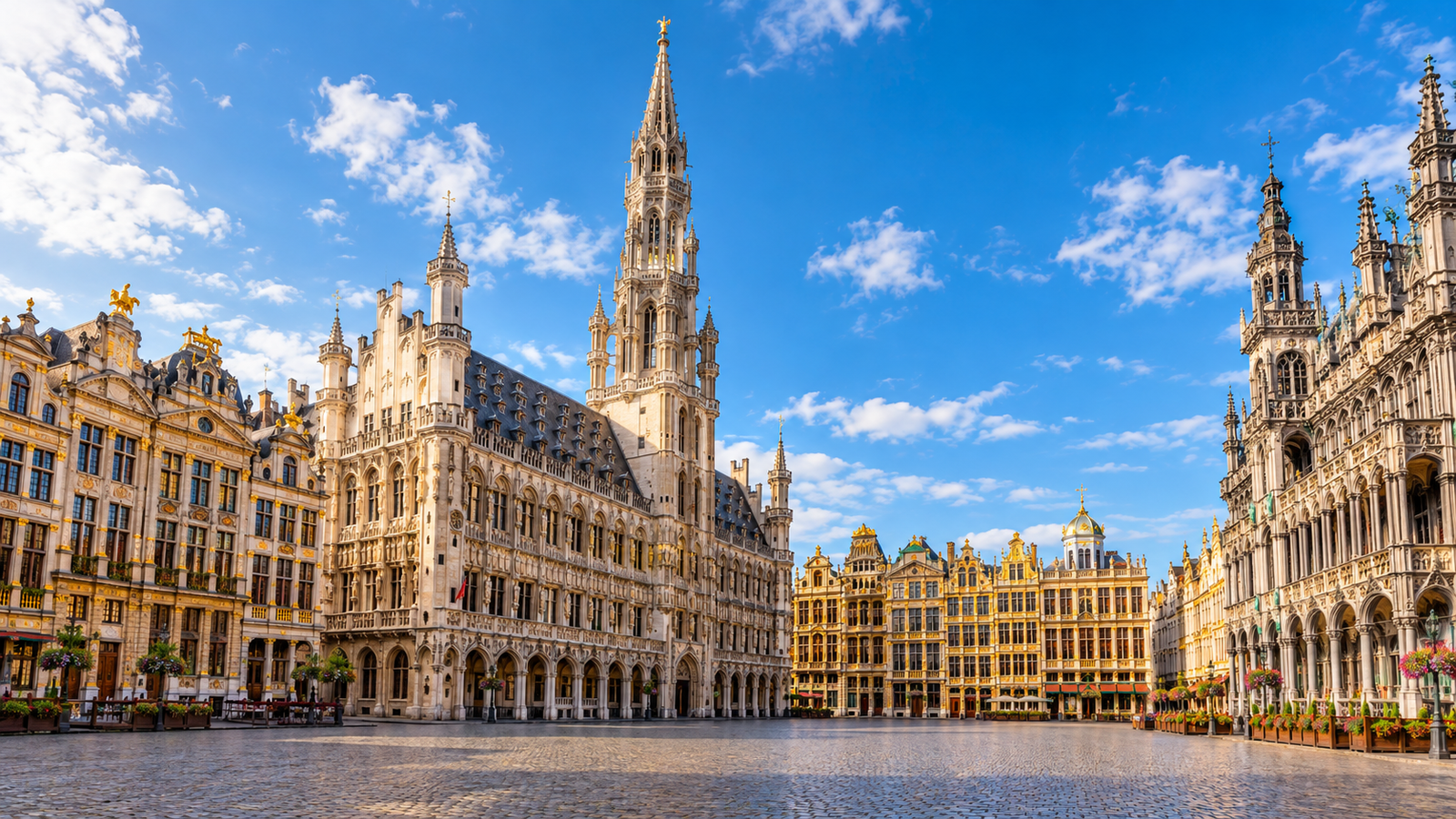
About the destination
Key facts
Country code
Currency
Region
Verification status
Education system
Belgium operates within the European Higher Education Area (EHEA) and uses the European Credit Transfer and Accumulation System (ECTS). Qualifications are structured according to the Flemish Qualifications Framework (VLHORA/NQF) in Flanders and the equivalent framework in the French Community. Course instruction for international programs is offered across state-funded universities, university colleges (Heschules / Hautes Écoles), and accredited private institutions.
Visa information
Non-EU/EEA nationals planning to pursue full-time higher education programs in Belgium lasting longer than 90 days must apply for a Long-Stay Student Visa (Type D) through the Belgian embassy or consulate (or an authorized external service provider such as VFS Global) prior to entry. Upon arrival in Belgium, students must register with their local municipal administration office (commune / stadskantoor) within 8 days to obtain their residence card.
Mandatory Visa Disclaimer: Visa rules, entry requirements, fees, required financial proof thresholds, and residence procedures change over time. Always consult official Belgian government immigration portals (FPS Home Affairs / Immigration Office - DOFI) or an official Belgian diplomatic mission prior to submitting an application or making travel plans.
Work rights
International non-EU students holding a valid student residence permit are permitted to work part-time during term time under student employment rules, with specific annual hourly allowances (such as up to 475 hours per year under a reduced solidarity contribution framework), and can work increased hours during official school holiday periods. No separate work permit is required for standard student employment within these legal limits. Qualifying graduates may apply for a post-study orientation year or job-seeker permit to transition into the labor market.